Astrology
 Ayurveda
 Numerology
 Palmistry
 Vastu
Vastu
Views: 1588
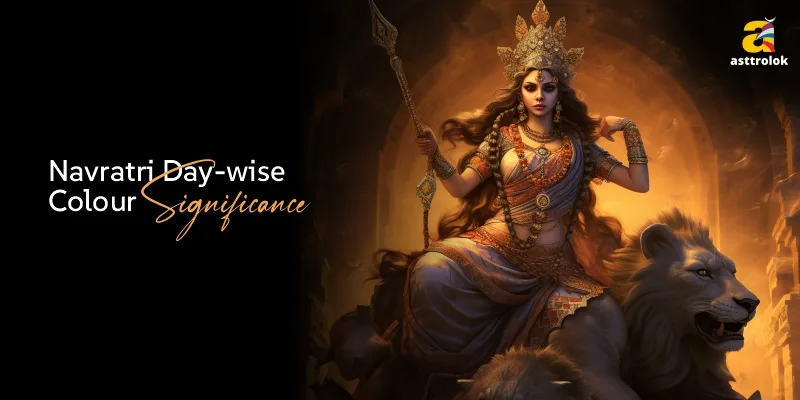
Navratri arrives with a different energy in India. Markets fill with vibrant clothes, homes glow with lamps, and temples echo with devotional songs. Yet among all these traditions, one small detail always catches attention the colour of the day. Many people wake up during the festival and check the Navratri colour today in India before choosing their outfit. It may seem like a fashion trend, but there is a deeper spiritual logic behind it.
The Navratri day wise colour significance comes from ancient Hindu traditions that associate colours with specific energies of Goddess Durga. Each day of Navratri honours a different form of the Goddess, and the colour of that day reflects the spiritual vibration connected to that form.
Understanding the Navratri colour list 9 days helps devotees align their energy with the divine qualities represented during the festival.
Why Each Day of Navratri Has a Different Colour
Many devotees often ask why each day of Navratri has a different colour. The reason lies in the symbolism of colours in Hindu tradition. Colours carry energy. They represent emotions, spiritual qualities, and cosmic forces. When a particular colour is associated with a form of the Goddess, wearing that colour is believed to strengthen the connection with that divine energy. This is why the Navratri festival's colour significance goes beyond clothing. It becomes a way of expressing devotion and aligning with spiritual vibrations during the nine sacred nights.
Navratri Colour Chart: Meaning of the Nine Colours
The Navratri colour chart 9 days connects each day of the festival with a particular colour and form of Goddess Durga.
Day 1 – Yellow
Yellow represents joy, brightness, and positive beginnings. It symbolizes the fresh start of the Navratri festival and encourages optimism in life.
Day 2 – Green
Green reflects growth and harmony. This colour reminds devotees of nature’s balance and spiritual development.
Day 3 – Grey
Grey signifies stability and strength. It represents the calm power of the Goddess and encourages inner discipline.
Day 4 – Orange
Orange stands for enthusiasm and courage. It inspires people to take bold steps in life with confidence.
Day 5 – White
White symbolizes purity, peace, and spiritual clarity. Devotees wear white to connect with divine serenity.
Day 6 – Red
Red represents power, passion, and devotion. It is strongly associated with Goddess Durga’s strength and protection.
Day 7 – Royal Blue
Royal blue reflects wisdom and depth. It symbolizes spiritual knowledge and inner awareness.
Day 8 – Pink
Pink represents compassion and kindness. This colour highlights the nurturing aspect of the Goddess.
Day 9 – Purple
Purple symbolizes ambition and spiritual transformation. It marks the completion of the Navratri journey.
This Navratri 9 days colour meaning helps devotees understand the deeper symbolism behind the festival.
Navratri Colours and Devotional Energy
The importance of Navratri colours for devotees lies in their spiritual influence. Each colour connects with a specific emotional and spiritual state.
When people follow the Navratri dress colour day wise, they are not simply participating in a social trend. They are consciously aligning themselves with the energy of the Goddess worshipped that day. This is why many devotees carefully follow the Navratri day wise colour guide throughout the festival.
Also Read - What is my lucky color as per numerology?
Navratri Day-wise Colour and Goddess Name
Each day of Navratri is dedicated to a different manifestation of Goddess Durga. The Navratri day wise colour and goddess name connection helps devotees focus their prayers.
For example:
Day 1 honours Goddess Shailputri
Day 2 honours Goddess Brahmacharini
Day 3 honours Goddess Chandraghanta
Day 4 honours Goddess Kushmanda
Day 5 honours Goddess Skandamata
Day 6 honours Goddess Katyayani
Day 7 honours Goddess Kalaratri
Day 8 honours Goddess Mahagauri
Day 9 honours Goddess Siddhidatri
Each form reflects a unique aspect of divine feminine power.
Understanding Navratri Through Astrology
From an astrological perspective, festivals like Navratri are not random celebrations. They are aligned with cosmic cycles and planetary movements. Asttrolok Institute has been actively teaching such spiritual connections through structured learning programs. Many students who join their online astrology classes learn how festivals, planetary energies, and human life are deeply connected.
Founded by respected astrologer Mr. Alok Khandelwal ji, Asttrolok focuses on making traditional astrology accessible and meaningful for modern learners.
For those who want personal guidance during Navratri or other important life phases, many people now prefer professional online consultation to understand their planetary influences better. A detailed personalized Kundali can also reveal how planetary positions influence spiritual practices and festivals in your life.
Navratri Colours in Modern Life
Today, the Navratri dress colour day wise tradition has also become a social celebration. Garba nights, community pujas, and cultural events encourage people to follow the colour of the day. But the deeper idea remains the same, aligning daily life with spiritual awareness. Many people also consult astrologers during Navratri to understand personal spiritual timing. A trusted online consultation can help interpret how festival energies influence individual charts.
नवरात्रि केवल एक त्योहार नहीं है, बल्कि यह आत्मिक ऊर्जा को जागृत करने का समय है। हर दिन का रंग देवी के अलग स्वरूप और शक्ति का प्रतीक माना जाता है। जब भक्त उस दिन का निर्धारित रंग पहनते हैं, तो वह केवल परंपरा नहीं निभा रहे होते, बल्कि देवी की ऊर्जा से अपने मन और जीवन को जोड़ने का प्रयास करते हैं।
Tips to Follow Navratri Colours in Daily Life
Following the Navratri colours and their meaning can be simple and meaningful.
Wear the colour of the day during prayers or temple visits.
Decorate your home altar with the daily Navratri colour.
Offer flowers matching the colour of the day to Goddess Durga.
Choose traditional clothing in the daily colour during Garba or Dandiya celebrations.
Use the colour in small ways, such as scarves or accessories if full outfits are not possible.
These small gestures strengthen devotion and make the festival more immersive.
Conclusion
Navratri is a celebration of devotion, discipline, and spiritual growth. The Navratri 9 days colour meaning reminds us that every day carries its own energy and message. Following the Navratri day wise colour 2026 tradition is a simple yet powerful way to stay connected with this sacred festival.
Through teachings shared by institutions like Asttrolok and guidance from astrologers such as Mr. Alok Khandelwal, people continue to understand the deeper spiritual wisdom hidden in Indian traditions. When you wear the colour of the day this Navratri, remember it’s not just about tradition. It’s about inviting the goddess’s energy into your life.
Frequently Asked Questions.
What are the 9 Navratri colours and their meaning?
The nine Navratri colours symbolise the qualities of each form of Goddess Durga, including hope, growth, courage, purity, power, wisdom, compassion, and spiritual transformation.
Why are colours important during Navratri?
Colours represent spiritual energy in Hindu tradition. Wearing the Navratri colour of the day symbolises devotion and alignment with the qualities of the goddess worshipped that day.
How do people know the Navratri colour today in India?
The Navratri colour sequence is released each year based on the weekday the festival begins. Devotees follow this daily colour chart during the nine days.
Do people have to wear Navratri colours every day?
It is not compulsory, but many devotees follow the tradition as a way to express devotion and stay connected with the spiritual theme of the day.
Does Navratri colour tradition have astrological meaning?
Yes. Many astrologers link Navratri colours with planetary energies and spiritual symbolism, which is why devotees often follow them during prayers and rituals.
Is the Navratri colour list the same every year?
No. The order of colours changes each year depending on the starting weekday of Navratri according to the Hindu calendar.
Comments (0)
.webp)
Categories
Recent posts
भाग्यांक कैसे ...
30 Aug 2023
Importance of Bhakoot Koota in Kundali ...
30 Aug 2023