Astrology
 Ayurveda
 Palmistry
 Vastu
Views: 2
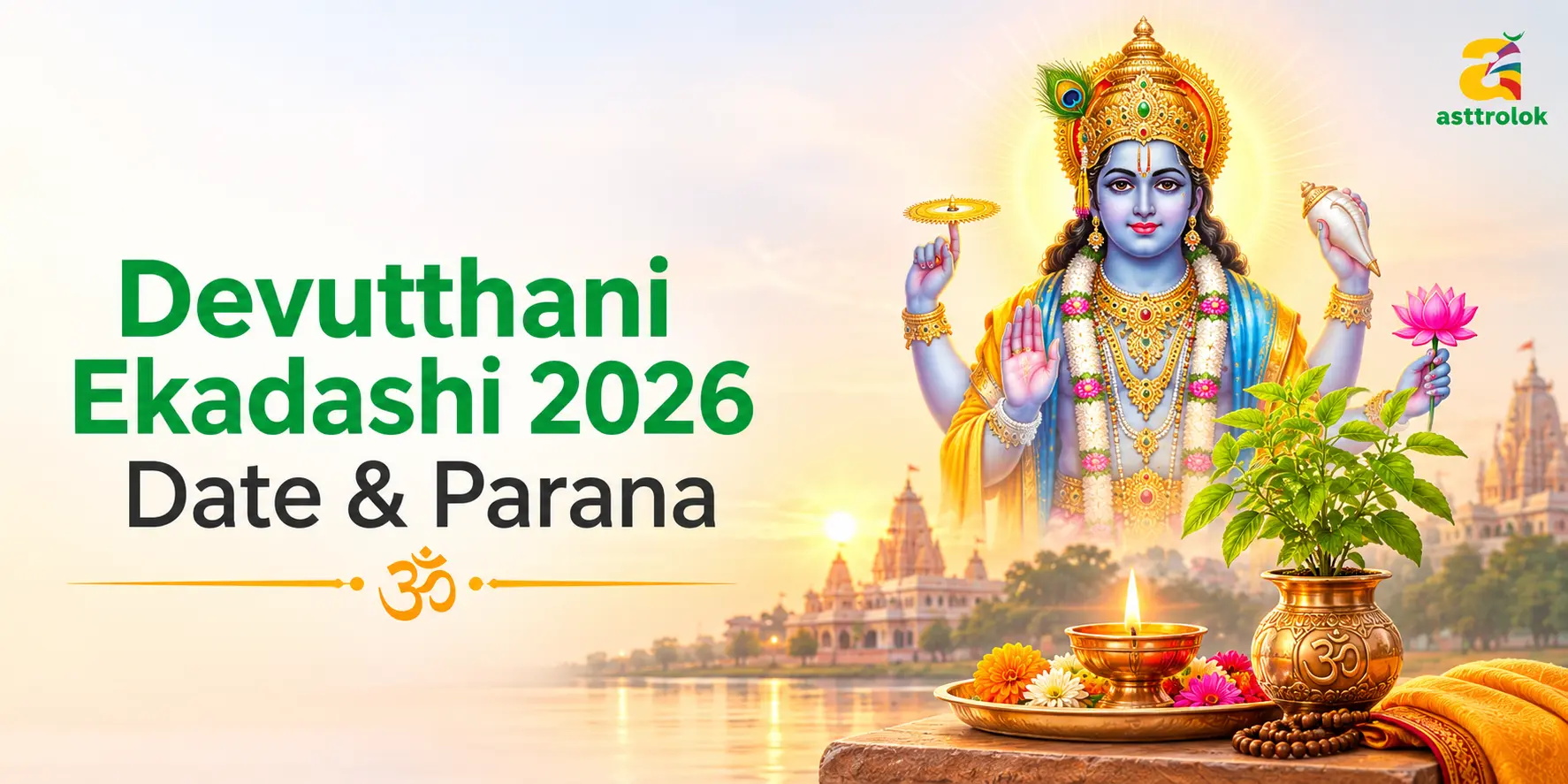
In many Indian homes, the arrival of Kartik month brings a different kind of devotion. People light diyas in the evening, visit temples, observe fasts and spend time in prayer. One of the most important days during this period is Dev Uthani Ekadashi, which marks the traditional awakening of Lord Vishnu from His four-month-long Yoga Nidra.
Dev Uthani Ekadashi 2026 is especially significant because it marks the end of Chaturmas and the beginning of a period traditionally considered favourable for auspicious activities. Devotees observe a fast, worship Lord Vishnu and prepare for celebrations such as Tulsi Vivah.
Let's understand the date, Parana time, vrat rituals and spiritual importance of this sacred Ekadashi.
When Is Dev Uthani Ekadashi in 2026?
Dev Uthani Ekadashi, also known as Devutthana Ekadashi or Prabodhini Ekadashi, falls on the Ekadashi Tithi of Shukla Paksha in the Hindu month of Kartik.
In 2026, the Smarta observance falls on Friday, 20 November 2026. Some Vaishnava traditions follow the next-day Gauna Ekadashi on Saturday, 21 November 2026.
The difference comes from traditional rules used to determine the fasting day. Devotees should follow their family tradition, sampradaya or the guidance of their priest.
Dev Uthani Ekadashi 2026: Important Dates and Timings
For New Delhi, the key timings are:
Smarta Vrat Date: Friday, 20 November 2026
Ekadashi Tithi Begins: 7:15 AM, 20 November 2026
Ekadashi Tithi Ends: 6:31 AM, 21 November 2026
Smarta Parana Date: Saturday, 21 November 2026
Parana Time: 1:11 PM to 3:18 PM
Hari Vasara Ends: 12:07 PM, 21 November 2026
Gauna/Vaishnava Ekadashi: Saturday, 21 November 2026
Note: These timings are for New Delhi. Tithi and Parana timings can vary by location and Panchang calculation. Check your local timings before observing the vrat.
Why Is Dev Uthani Ekadashi Celebrated?
According to Hindu tradition, Lord Vishnu enters Yoga Nidra on Devshayani Ekadashi, which falls during Ashadha Shukla Paksha. He is believed to awaken on Kartik Shukla Ekadashi, celebrated as Dev Uthani Ekadashi.
The word 'Prabodhini' means awakening. This is why the day is also called Prabodhini Ekadashi.
During these four months, known as Chaturmas, many auspicious ceremonies, particularly weddings, are traditionally avoided. With the symbolic awakening of Lord Vishnu, the period of Chaturmas comes to an end and many customary religious and social activities resume.
For devotees, this day is not simply about the end of a waiting period. It is a reminder to bring discipline, devotion and positive intentions back into everyday life.
Spiritual Significance of Dev Uthani Ekadashi
Dev Uthani Ekadashi holds a special place in the Kartik month. Its importance is connected with Lord Vishnu, the preservation of the universe and the value of self-discipline.
Here are a few reasons why devotees consider this day sacred.
1. The Awakening of Lord Vishnu
The central belief behind this festival is the awakening of Lord Vishnu from Yoga Nidra. Devotees offer prayers, light lamps and sing devotional songs to welcome the Lord.
Spiritually, this awakening can also be understood as a reminder to become more conscious of our actions and responsibilities.
2. The End of Chaturmas
Chaturmas is a four-month period associated with spiritual discipline, prayer and restraint. Many devotees follow particular dietary practices and spend more time in religious activities.
Dev Uthani Ekadashi marks its traditional conclusion. Weddings, housewarming ceremonies and other auspicious activities are generally considered favourable again, according to customary Hindu calendars and local traditions.
3. Importance of Kartik Month
Kartik is regarded as a sacred month dedicated to devotion and worship. Lighting a diya, offering prayers to Lord Vishnu and visiting temples are common practices.
Observing Ekadashi during this month is believed to help devotees develop patience, self-control and a deeper connection with their spiritual beliefs.
4. Connection with Tulsi Vivah
Tulsi Vivah is traditionally celebrated around the time of Dev Uthani Ekadashi, often on Kartik Shukla Dwadashi. The ceremony symbolically celebrates the marriage of Goddess Tulsi with Lord Vishnu in His Shaligram form.
Families decorate the Tulsi plant, prepare traditional offerings and perform the wedding ceremony with devotion. It also marks the beginning of the traditional Hindu wedding season in many communities.
Dev Uthani Ekadashi Puja Vidhi 2026
Devotees can follow a simple puja routine at home. The exact customs may differ between families and regions.
Wake up early: Take a bath and wear clean clothes. Begin the day with a peaceful mind and a sincere vrat sankalp.
Prepare the puja space: Clean the place of worship and arrange an image or idol of Lord Vishnu.
Offer prayers: Light a diya and offer flowers, fruits, incense and Tulsi leaves, according to your family tradition.
Chant Vishnu mantras: Recite Vishnu Sahasranama, Vishnu mantras or other prayers dedicated to Lord Vishnu.
Observe the vrat: Follow the fasting method you have chosen, based on your health and religious tradition.
Listen to the vrat katha: Read or listen to the Dev Uthani Ekadashi vrat katha and spend time in prayer.
Perform evening aarti: Light a lamp, sing devotional songs and offer your prayers to Lord Vishnu.
Dev Uthani Ekadashi Vrat Rules
Fasting is an important part of this observance, but the method can differ from one devotee to another.
Common practices include:
Avoiding rice, grains and regular meals during the fast, according to the chosen vrat tradition.
Eating fruits, milk or permitted vrat food if following a partial fast.
Avoiding alcohol, tobacco and non-vegetarian food.
Spending time in prayer, meditation and devotional reading.
Maintaining calm behaviour and avoiding unnecessary arguments.
Offering food or charity to people in need, wherever possible.
People with health conditions, older adults, pregnant women and those taking regular medication should not undertake strict fasting without appropriate medical advice. Devotion does not require putting one's health at risk.
Dev Uthani Ekadashi Vrat Katha and Its Message
Devotees traditionally listen to the vrat katha associated with Prabodhini Ekadashi as part of the day's worship. The stories and religious accounts connected with Ekadashi highlight the value of devotion, truthfulness and keeping one's spiritual commitments.
The broader message is simple: a fast is not only about avoiding certain foods. It is also an opportunity to control negative thoughts, practise kindness and become more mindful of daily actions.
Bonus Tips for Dev Uthani Ekadashi 2026
If you are observing the vrat this year, a few simple practices can make the day more meaningful:
Check the local Panchang for the correct fasting and Parana timings.
Decide your fasting method in advance rather than making sudden changes.
Keep your puja arrangements ready the previous evening.
Read or listen to a Vishnu-related scripture or devotional story.
Spend some time helping someone or offering food to those in need.
Break the fast within the prescribed Dwadashi Parana period.
एकादशी का व्रत केवल भोजन से दूरी बनाने का दिन नहीं है। यह अपने विचारों, व्यवहार और इच्छाओं पर नियंत्रण रखने का भी अवसर है। भगवान विष्णु की पूजा करते समय मन में श्रद्धा रखें और अपने जीवन में अच्छे कर्मों को अपनाने का संकल्प लें।
देवउठनी एकादशी हमें याद दिलाती है कि जीवन में हर नई शुरुआत के लिए सही समय के साथ-साथ सही सोच और धैर्य भी जरूरी हैं।
Understanding the Spiritual and Astrological Importance
Vedic astrology gives importance to Tithi, Nakshatra, planetary positions and the timing of religious observances. These elements help people understand the traditional calendar and choose suitable periods for spiritual practices.
For someone learning astrology, festivals such as Dev Uthani Ekadashi offer an opportunity to understand the relationship between the Hindu lunar calendar and religious traditions. Students who want to develop this knowledge systematically can explore online astrology classes offered by Asttrolok Institute.
Asttrolok was founded by Mr. Alok Khandelwal ji, who has over 25 years of experience in astrology and is dedicated to making traditional astrological knowledge accessible to learners. Those seeking guidance on personal questions can also consider an online consultation with an astrologer. A personalized Kundali can also help individuals understand their birth chart and explore traditional astrological interpretations related to career, relationships and important life decisions.
Why Choose Asttrolok for Astrology Learning and Guidance?
Choosing the right learning platform matters when you want to understand astrology beyond basic predictions. Asttrolok Institute offers learning opportunities in astrology and related subjects for beginners as well as those who want to develop their skills further.
Under the guidance of founder Mr. Alok Khandelwal ji, the institute focuses on making traditional knowledge easier to understand and apply. Whether you want to build a career in astrology, improve your understanding of Kundali analysis or seek guidance for personal decisions, Asttrolok provides learning and consultation options to support your journey.
Conclusion
Dev Uthani Ekadashi 2026 is an important occasion for devotees of Lord Vishnu. Observed on 20 November by the Smarta tradition, with some Vaishnava communities observing the Gauna Ekadashi on 21 November, the festival marks the traditional awakening of Lord Vishnu and the end of Chaturmas.
Beyond its rituals and fasting rules, the day encourages devotion, patience and a fresh approach to life. Observe the vrat according to your tradition, check the correct local Parana time and make the occasion meaningful through prayer and good actions.
For more insights into Vedic astrology, traditional festivals and spiritual learning, continue exploring the resources offered by Asttrolok Institute and its founder, Mr. Alok Khandelwal ji.
Frequently Asked Questions
1. What happens when the Sun transits Gemini?
When the Sun enters Gemini, it is traditionally associated with communication, learning, networking and intellectual activity. People may feel encouraged to share ideas, develop new skills and connect with others. The actual astrological interpretation depends on the individual's birth chart and the placement of Gemini in their horoscope.
2. Is Sun Transit in Gemini good for my career?
Sun Transit in Gemini may support activities involving communication, writing, teaching, marketing and networking. However, its influence on your career depends on your birth chart, the tenth house, the Sun's placement and other planetary combinations. A general transit prediction cannot determine the outcome for everyone.
3. How does Sun Transit in Gemini affect relationships?
Gemini is associated with communication and exchange of ideas. During this transit, people may place greater importance on conversations and intellectual connection. Clear communication can help relationships, but individual experiences depend on the seventh house, Venus, Mercury and other relevant chart placements.
4. Which signs benefit from Sun Transit in Gemini?
The traditional effects vary according to each zodiac sign and its birth chart. Signs receiving favourable house placements or supportive planetary aspects may experience opportunities in communication, learning and professional networking. A complete horoscope analysis is more useful than relying only on the Sun sign.
5. What are the career effects of Sun Transit in Gemini?
This transit is traditionally linked with communication-based work, education, sales, media and business networking. It may encourage people to learn new skills or present their ideas more confidently. Career results, however, depend on the individual's horoscope and the overall planetary influences during the period.
6. Will Sun Transit in Gemini improve communication in relationships?
Gemini is ruled by Mercury and is associated with communication. The transit may encourage open discussions and the exchange of ideas. However, better communication also requires patience and understanding. Its specific influence on relationships depends on the seventh house and relevant planetary positions in the birth chart.
Comments (0)
.webp)
Categories
Recent posts
भाग्यांक कैसे ...
30 Aug 2023
Importance of Bhakoot Koota in Kundali ...
30 Aug 2023